AFLERO
ROI for ERP
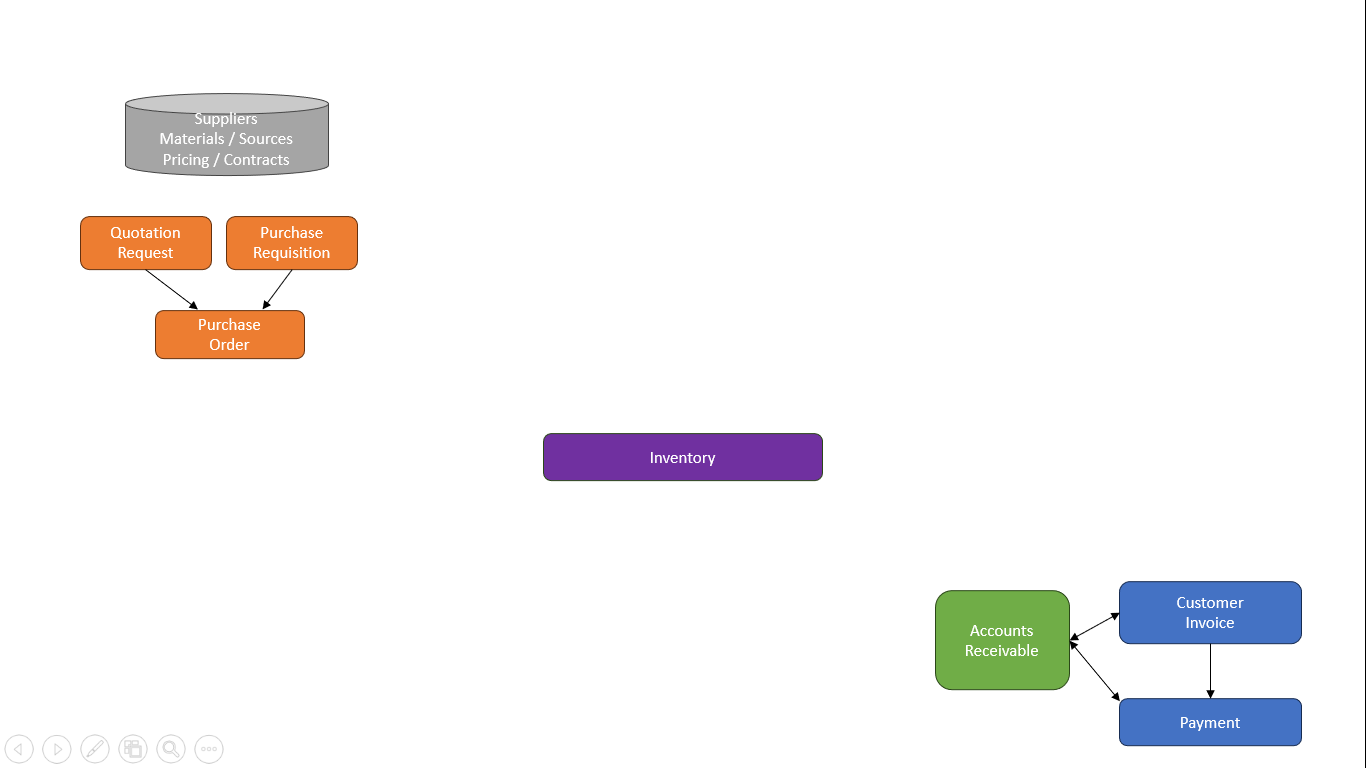
Common ERP ROI #1: Controlling Purchasing Spend
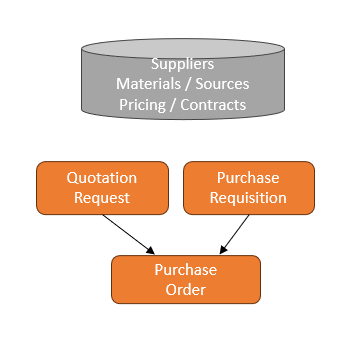
Common ERP ROI #1: Controlling Purchasing Spend
Consider the math…
Common ERP ROI #1: Controlling Purchasing Spend
Consider the math…
If an organization has revenues of $250 million, It is reasonable to expect it to spend, say, 65% of revenues to purchase materials, or $160 million per year
Common ERP ROI #1: Controlling Purchasing Spend
Consider the math…
If an organization has revenues of $250 million, It is reasonable to expect it to spend, say, 65% of revenues to purchase materials, or $160 million per year
What if that spending is not under control?
What if we are paying too much for materials?
Common ERP ROI #1: Controlling Purchasing Spend
Consider the math…
If an organization has revenues of $250 million, It is reasonable to expect it to spend, say, 65% of revenues to purchase materials, or $160 million per year
What if that spending is not under control?
What if we are paying too much for materials?
Potential ROI = Millions
How Can Purchasing Expenditure Be Controlled?
How Can Purchasing Expenditure Be Controlled?
1
We could pay list price and not shop between suppliersHow Can Purchasing Expenditure Be Controlled?
1
We could pay list price and not shop between suppliers2
We could not negotiate a long term contract with better pricesHow Can Purchasing Expenditure Be Controlled?
1
We could pay list price and not shop between suppliers2
We could not negotiate a long term contract with better prices3
We could pay a premium to place our orders at last minuteHow Can Purchasing Expenditure Be Controlled?
1
We could pay list price and not shop between suppliers2
We could not negotiate a long term contract with better prices3
We could pay a premium to place our orders at last minute4
Use AFLERO to control purchasingCommon ERP ROI #2: Controlling Inventory Investment

Common ERP ROI #2: Controlling Inventory Investment
Consider the math…
Common ERP ROI #2: Controlling Inventory Investment
Consider the math…
If an organization has revenues of $250 million, And it purchases materials of $160 million per year, it is reasonable to expect it to spread all those purchases out over the year so that at any given time it has, say, $15 million of materials in inventory.
Common ERP ROI #2: Controlling Inventory Investment
Consider the math…
If an organization has revenues of $250 million, And it purchases materials of $160 million per year, it is reasonable to expect it to spread all those purchases out over the year so that at any given time it has, say, $15 million of materials in inventory.
What if we could run the same business with less inventory?
What if we could make the inventory “turn” faster?
How can inventory investment be controlled?
How can inventory investment be controlled?
1
We could buy in huge volumes, in order to get a volume discountHow can inventory investment be controlled?
1
We could buy in huge volumes, in order to get a volume discount2
We could bring material in a long time befre we need it (that’s easier)How can inventory investment be controlled?
1
We could buy in huge volumes, in order to get a volume discount2
We could bring material in a long time befre we need it (that’s easier)3
We could just write of obsolete items as we find (buy) themHow can inventory investment be controlled?
1
We could buy in huge volumes, in order to get a volume discount2
We could bring material in a long time befre we need it (that’s easier)3
We could just write of obsolete items as we find (buy) them4
Use AFLERO to control inventoryCommon ERP ROI #3: Controlling Accounts Receivable
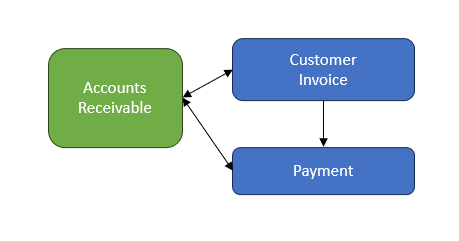
Common ERP ROI #3: Controlling Accounts Receivable
Consider the math…
Common ERP ROI #3: Controlling Accounts Receivable
Consider the math…
If an organization has revenues of $250 million, It is reasonable to want to get paid on time, so that if it offers, say, 30 days net payment terms, then at any given time its customers owe it $20 million in Accounts Receivable.
Common ERP ROI #3: Controlling Accounts Receivable
Consider the math…
If an organization has revenues of $250 million, It is reasonable to want to get paid on time, so that if it offers, say, 30 days net payment terms, then at any given time its customers owe it $20 million in Accounts Receivable.
What if Accounts Receivable is not under control?
What if customers are not paying on time?
Common ERP ROI #3: Controlling Accounts Receivable
Consider the math…
If an organization has revenues of $250 million, It is reasonable to want to get paid on time, so that if it offers, say, 30 days net payment terms, then at any given time its customers owe it $20 million in Accounts Receivable.
What if Accounts Receivable is not under control?
What if customers are not paying on time?
Potential ROI = Millions
How can accounts receivable be controlled?
How can accounts receivable be controlled?
1
We could decide not to bother with credit checks and just sell to everyoneHow can accounts receivable be controlled?
1
We could decide not to bother with credit checks and just sell to everyone2
We could decide not to bother customers about paying any overdue billsHow can accounts receivable be controlled?
1
We could decide not to bother with credit checks and just sell to everyone2
We could decide not to bother customers about paying any overdue bills3
If someone doesn’t pay us on time, we could just let it slide!How can accounts receivable be controlled?
1
We could decide not to bother with credit checks and just sell to everyone2
We could decide not to bother customers about paying any overdue bills3
If someone doesn’t pay us on time, we could just let it slide!4
Use AFLERO to control invoicing and collectionCommon ERP ROI #4: Controlling the (Hidden) Costs of Process Breaks
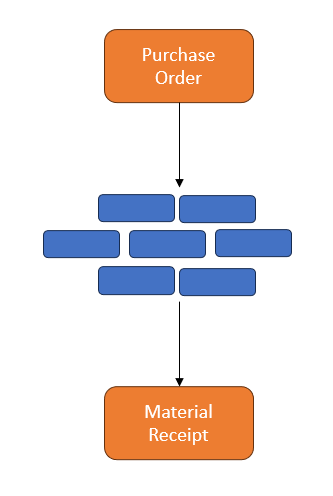
Common ERP ROI #4: Controlling the (Hidden) Costs of Process Breaks
Consider the math…
Common ERP ROI #4: Controlling the (Hidden) Costs of Process Breaks
Consider the math…
If an organization has a break in one of its business processes (due to disparate/silo systems or other problems), it can bridge the break using either Manual data entry (extra people cost) or Automated interfaces (extra software maintenance cost)
Common ERP ROI #4: Controlling the (Hidden) Costs of Process Breaks
Consider the math…
If an organization has a break in one of its business processes (due to disparate/silo systems or other problems), it can bridge the break using either Manual data entry (extra people cost) or Automated interfaces (extra software maintenance cost)
How many extra non-value-added clerical people do we need?
How much extra IT cost for non-value-added interfaces?
Common ERP ROI #4: Controlling the (Hidden) Costs of Process Breaks
Consider the math…
If an organization has a break in one of its business processes (due to disparate/silo systems or other problems), it can bridge the break using either Manual data entry (extra people cost) or Automated interfaces (extra software maintenance cost)
How many extra non-value-added clerical people do we need?
How much extra IT cost for non-value-added interfaces?
Potential ROI = Hundreds of Thousands
How can the costs of process breaks be controlled?
How can the costs of process breaks be controlled?
1
Let’s hire some temps to re-key all the data (no errors please!)How can the costs of process breaks be controlled?
1
Let’s hire some temps to re-key all the data (no errors please!)2
Let’s hire some coders to write interfaces (no errors please!)How can the costs of process breaks be controlled?
1
Let’s hire some temps to re-key all the data (no errors please!)2
Let’s hire some coders to write interfaces (no errors please!)3
Let’s buy a non-integrated ERP (and replace it in a couple of years)How can the costs of process breaks be controlled?
1
Let’s hire some temps to re-key all the data (no errors please!)2
Let’s hire some coders to write interfaces (no errors please!)3
Let’s buy a non-integrated ERP (and replace it in a couple of years)4
Use AFLERO to integrate everythingAFLERO has four common ROI opportunities
AFLERO has four common ROI opportunities
- Negotiate Better Purchasing Spend
AFLERO has four common ROI opportunities
- Negotiate Better Purchasing Spend
- Improve Inventory Turns
AFLERO has four common ROI opportunities
- Negotiate Better Purchasing Spend
- Improve Inventory Turns
- Collect Accounts Receivable On Time
AFLERO has four common ROI opportunities
- Negotiate Better Purchasing Spend
- Improve Inventory Turns
- Collect Accounts Receivable On Time
- Eliminate Costs Due To Business Process Breaks
AFLERO has four common ROI opportunities
- Negotiate Better Purchasing Spend
- Improve Inventory Turns
- Collect Accounts Receivable On Time
- Eliminate Costs Due To Business Process Breaks
... and many other types of ROI opportunities